Extra-Curricular
Empowering students through enriching Extra-Curricular Programs in a Christ-centered environment.
At Providence, learning extends beyond the classroom. Our extra-curricular clubs and programmes provide students with opportunities to explore their passions, develop new skills, build friendships, and grow spiritually, socially, and academically. From creative arts and music, to sports, STEM, and leadership experiences, there’s something for everyone. Many activities also offer opportunities for students to develop leadership, responsibility, and teamwork, helping them contribute meaningfully to our College community.
Primary School Opportunities
Our Primary School students can enjoy a variety of clubs and activities designed to spark creativity, build confidence, and develop new skills. Year 6 students also take on leadership roles through service teams, learning servant-hearted leadership while supporting the Primary School community.
Art Club
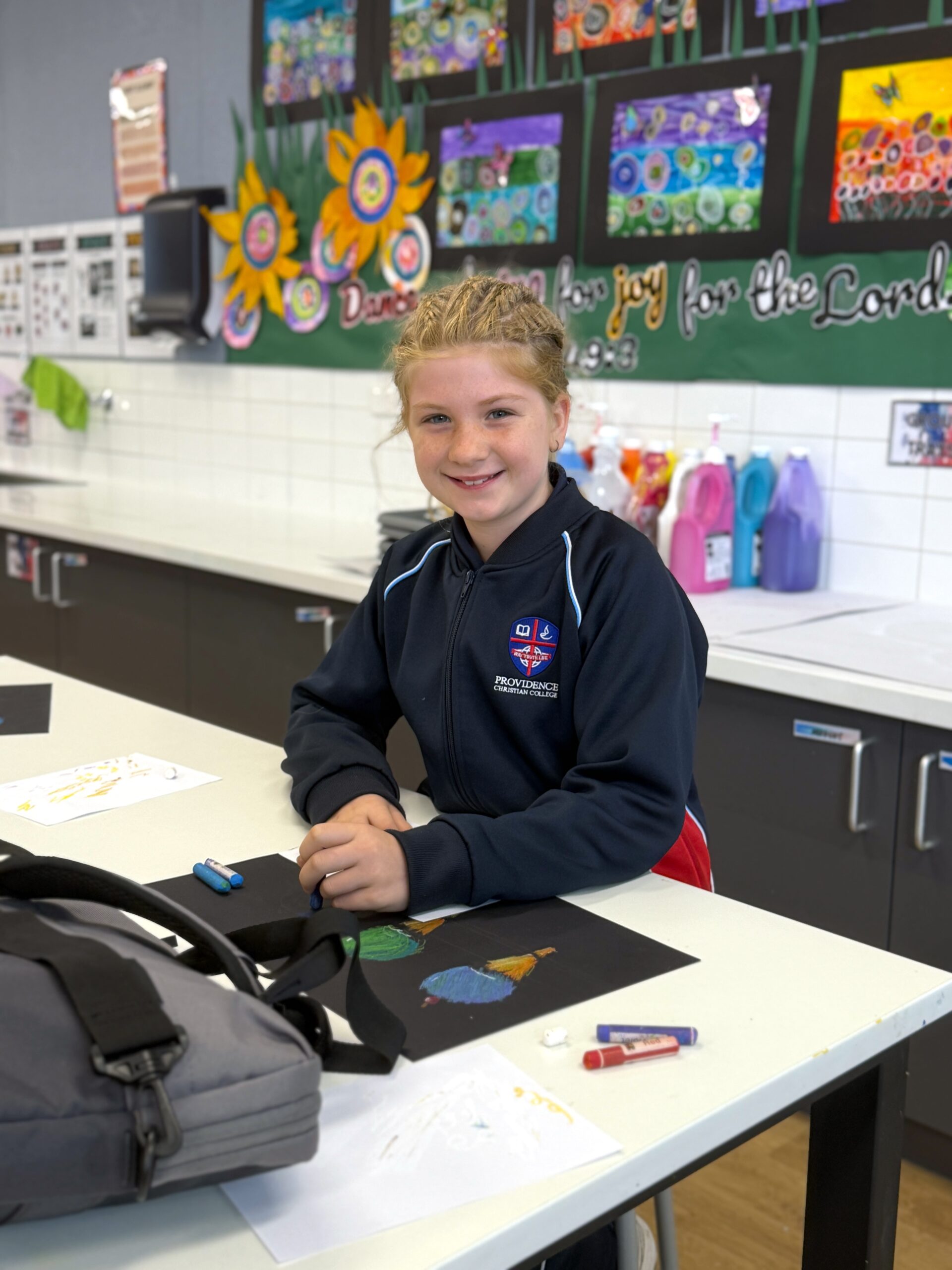
In the Art Club, students from Years 1-6 can extend and develop their creative skills using various mediums.
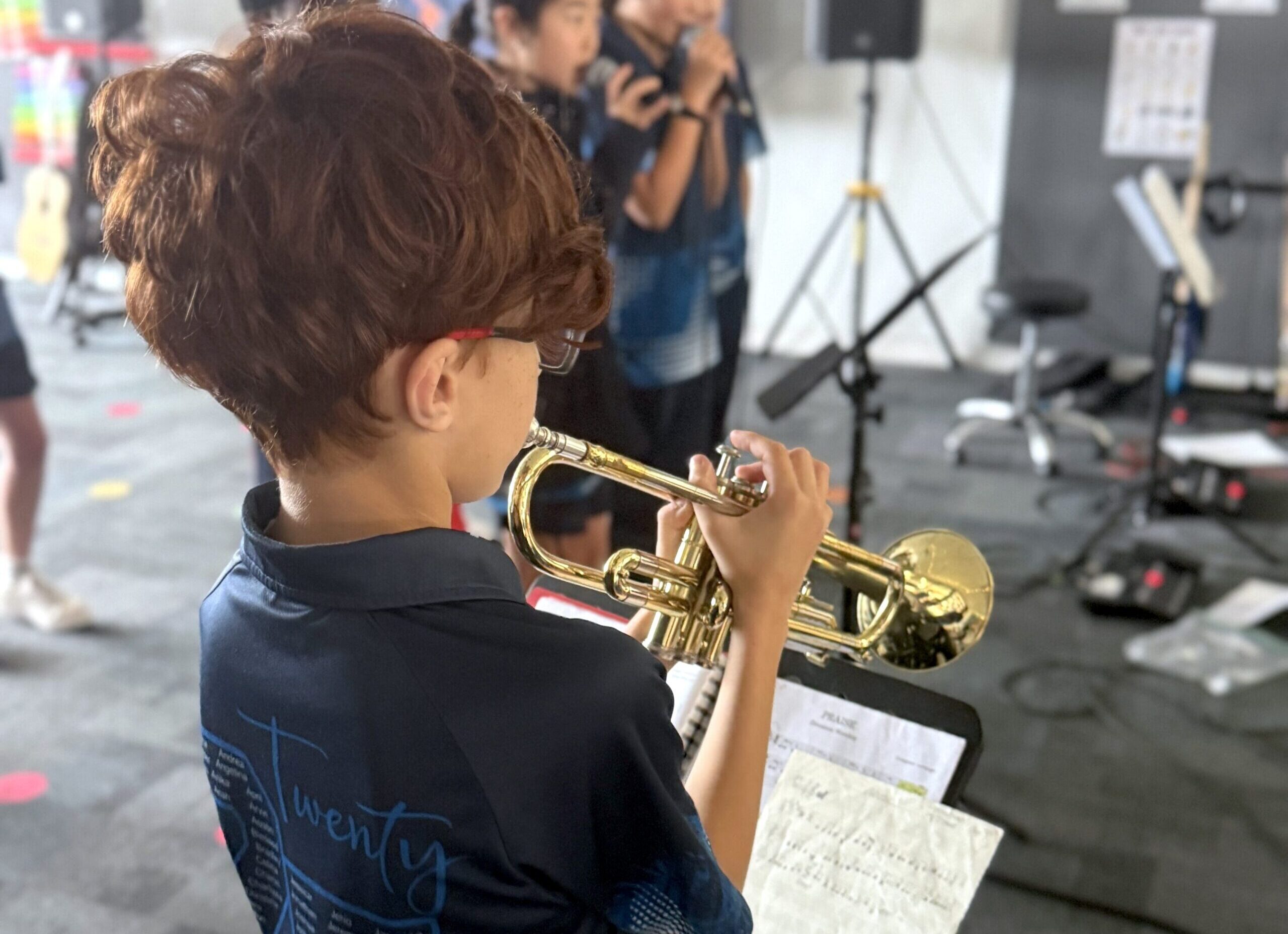
Chapel Band
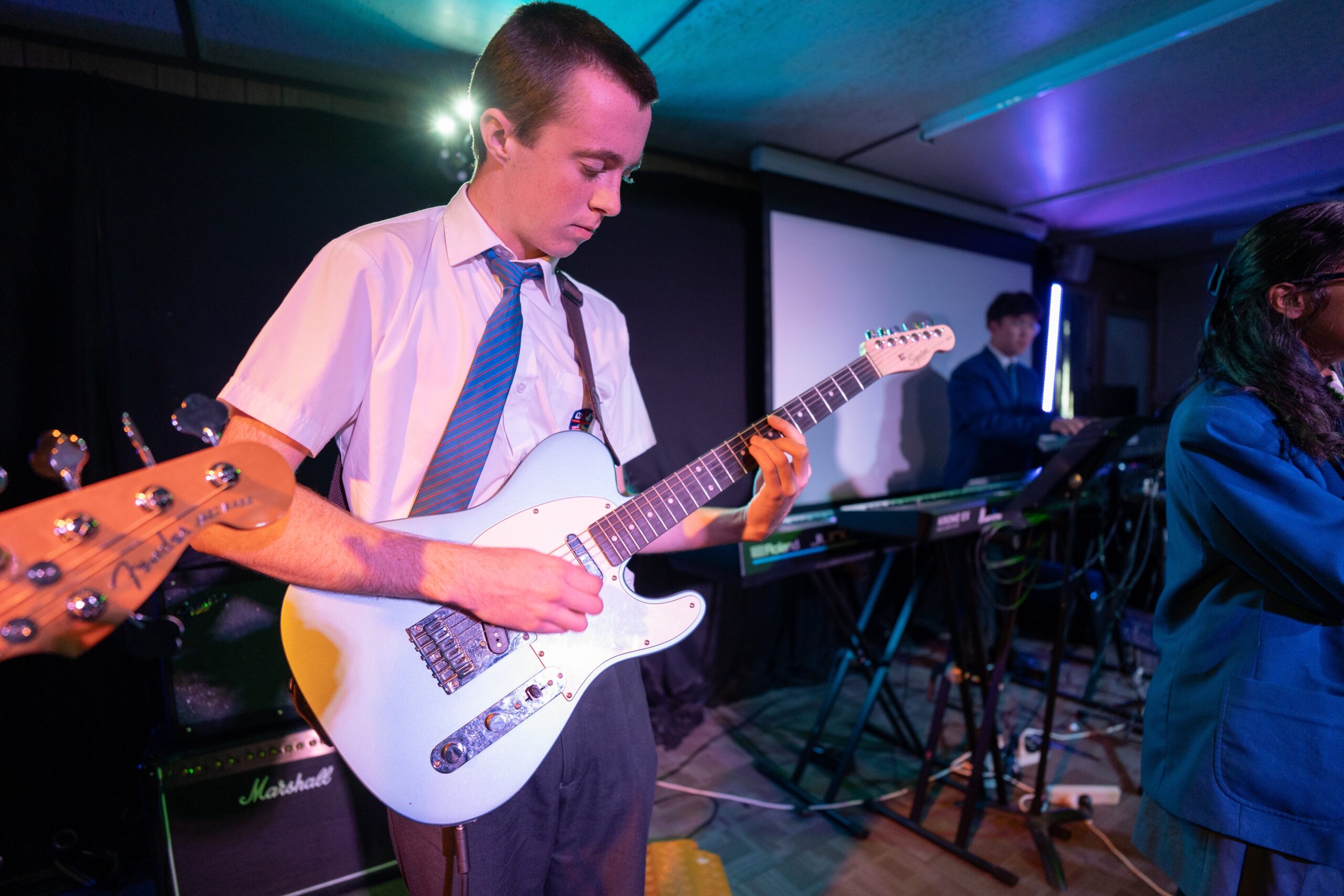
The Chapel Band, led by our Year 6 students, assists in leading worship during our Primary Chapel Services.
Choir
Year 3-6 students in the Choir have opportunities to sing at events and in competitions.
Indonesian Games Club
Students in the Indonesian Games Club explore and play traditional Indonesian games.
Lunchtime Activities
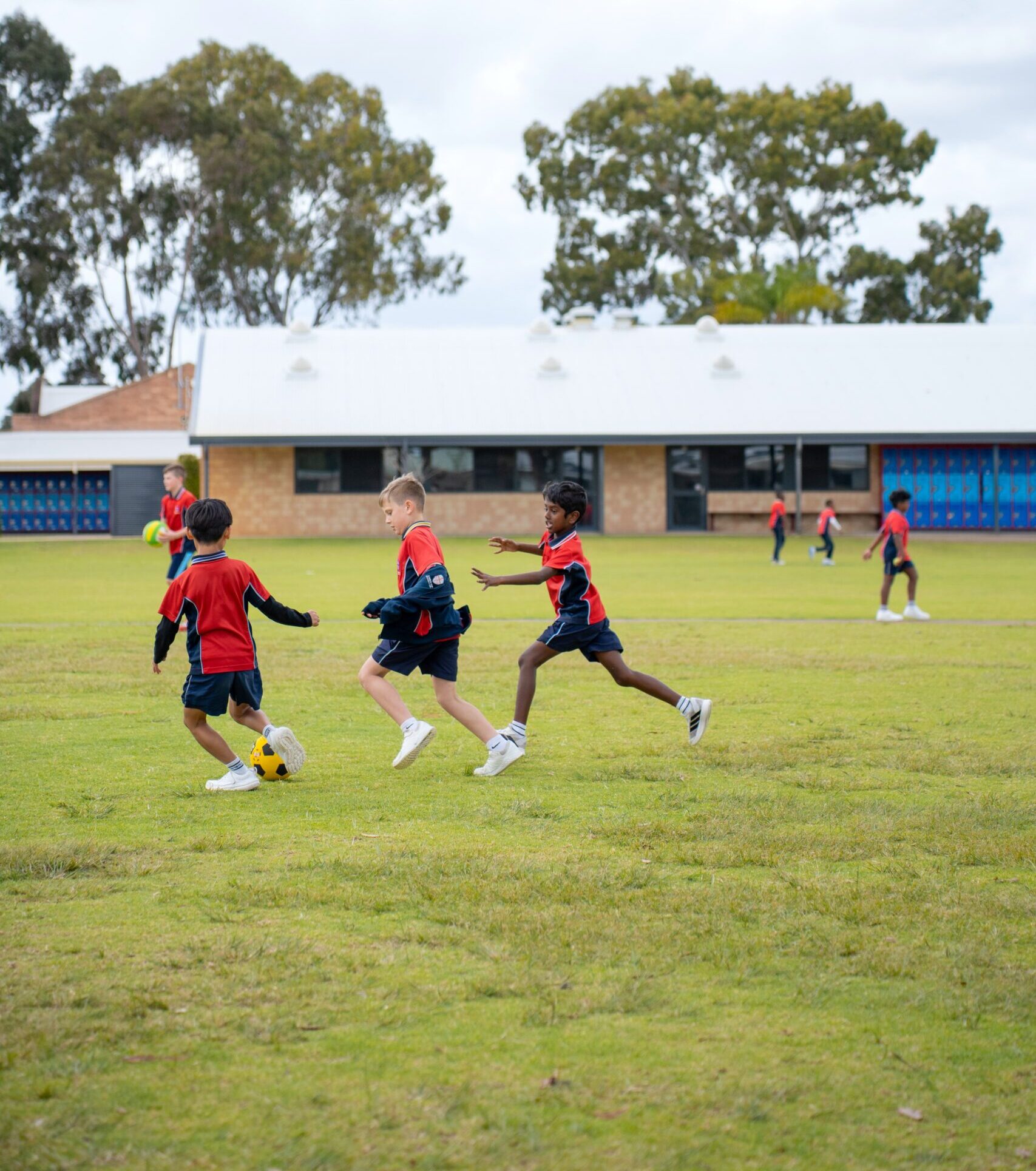
Lunchtime Activities provides opportunities for Year 1-6 students to participate in games and play activities.
Maker Space Club
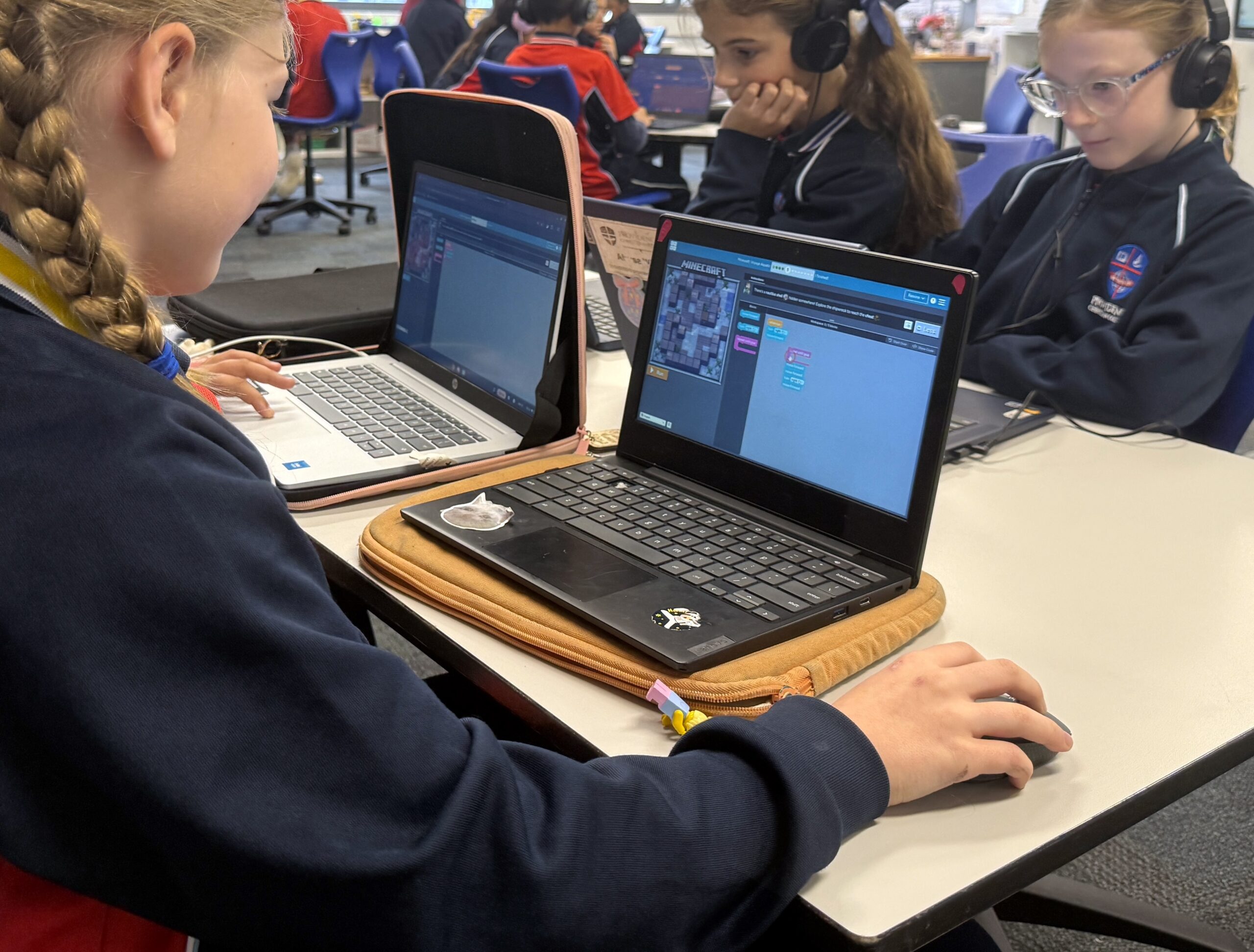
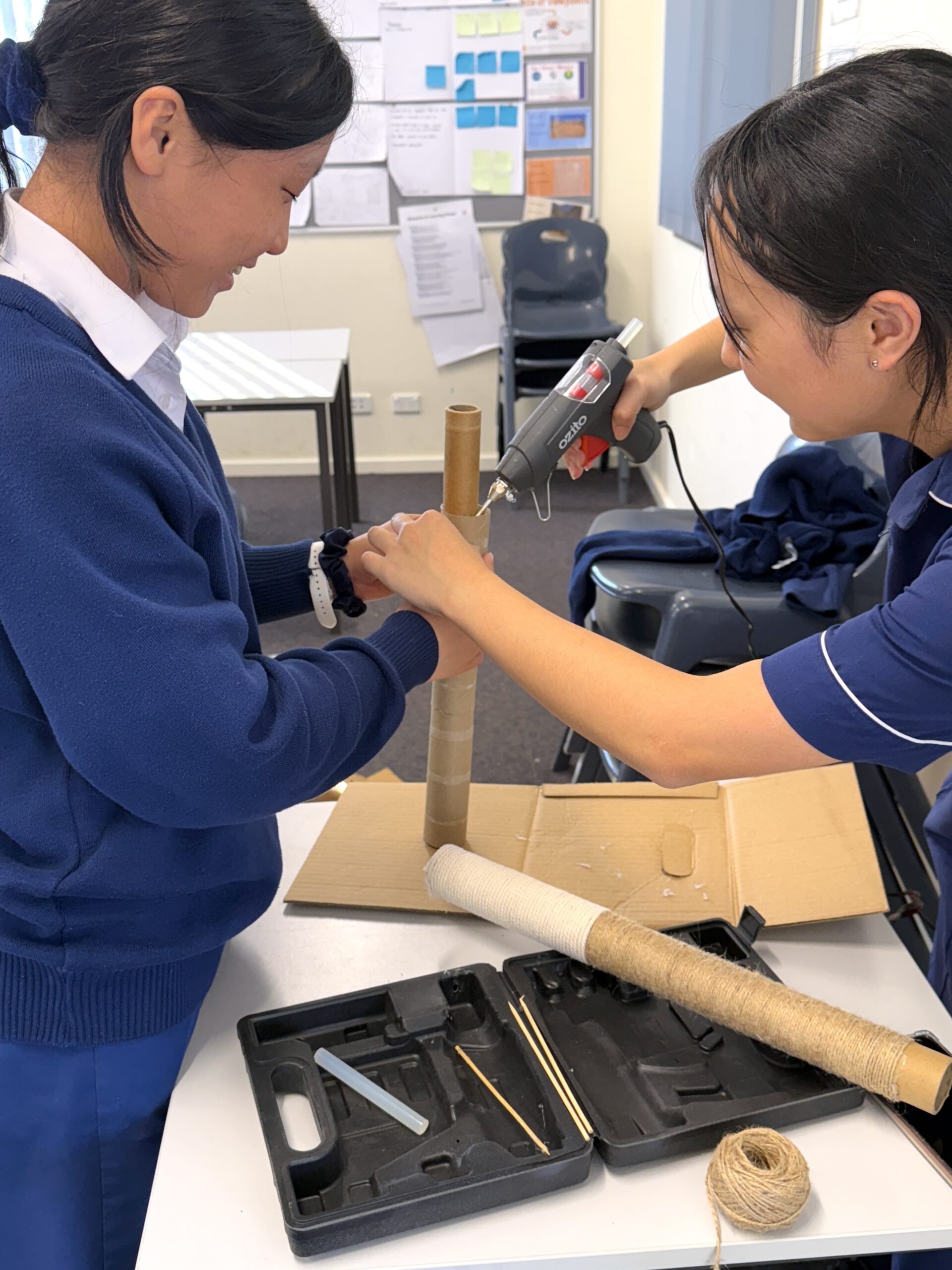
The Maker Space is where Year 4-6 students can unleash their creativity and explore the exciting world of robotics, coding, and invention.
Mathematics Challenge Club
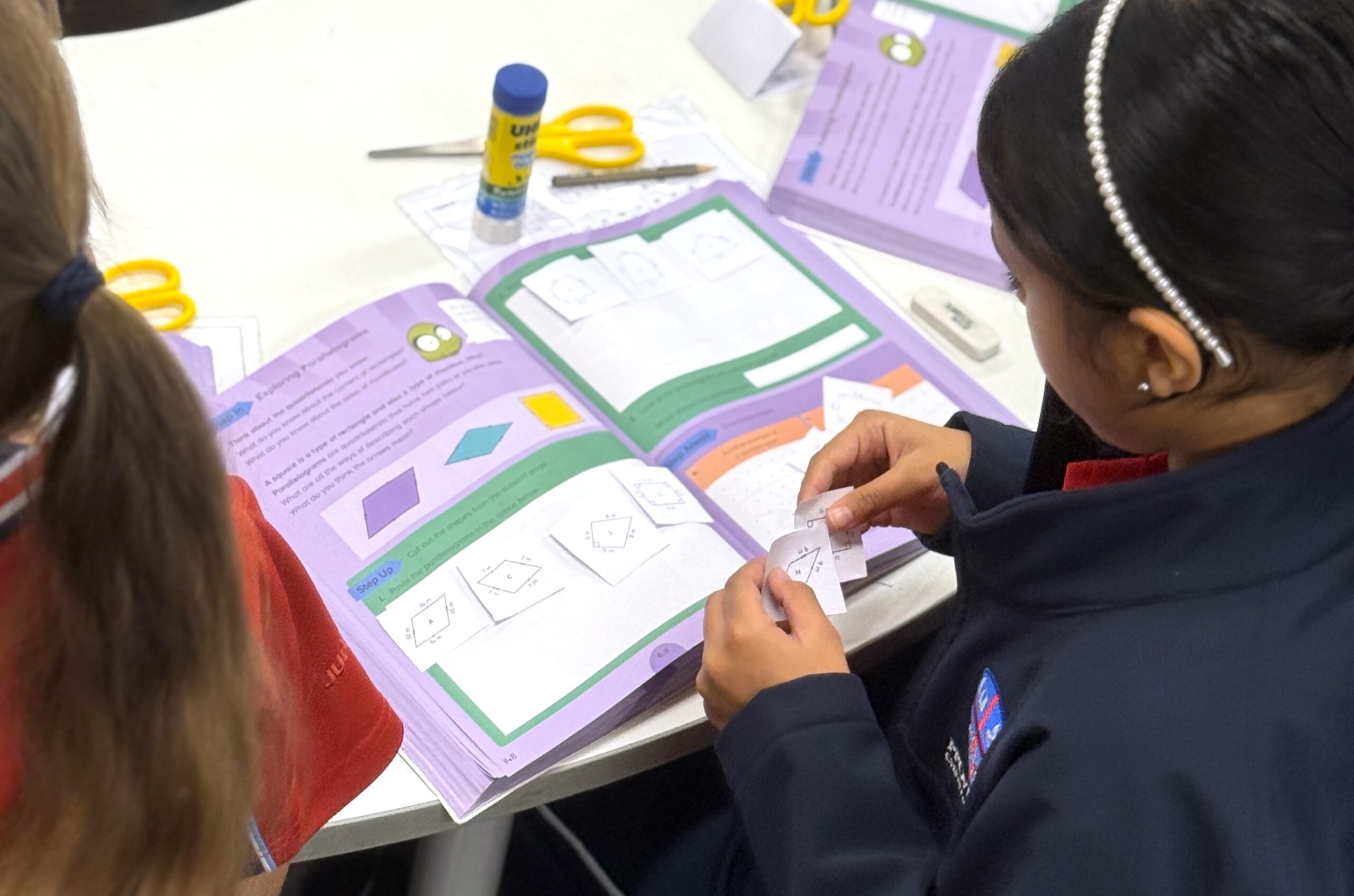
The Mathematics Challenge Club focuses on an extension in Maths for Year 4-6 students by playing Numero®.
Run Club
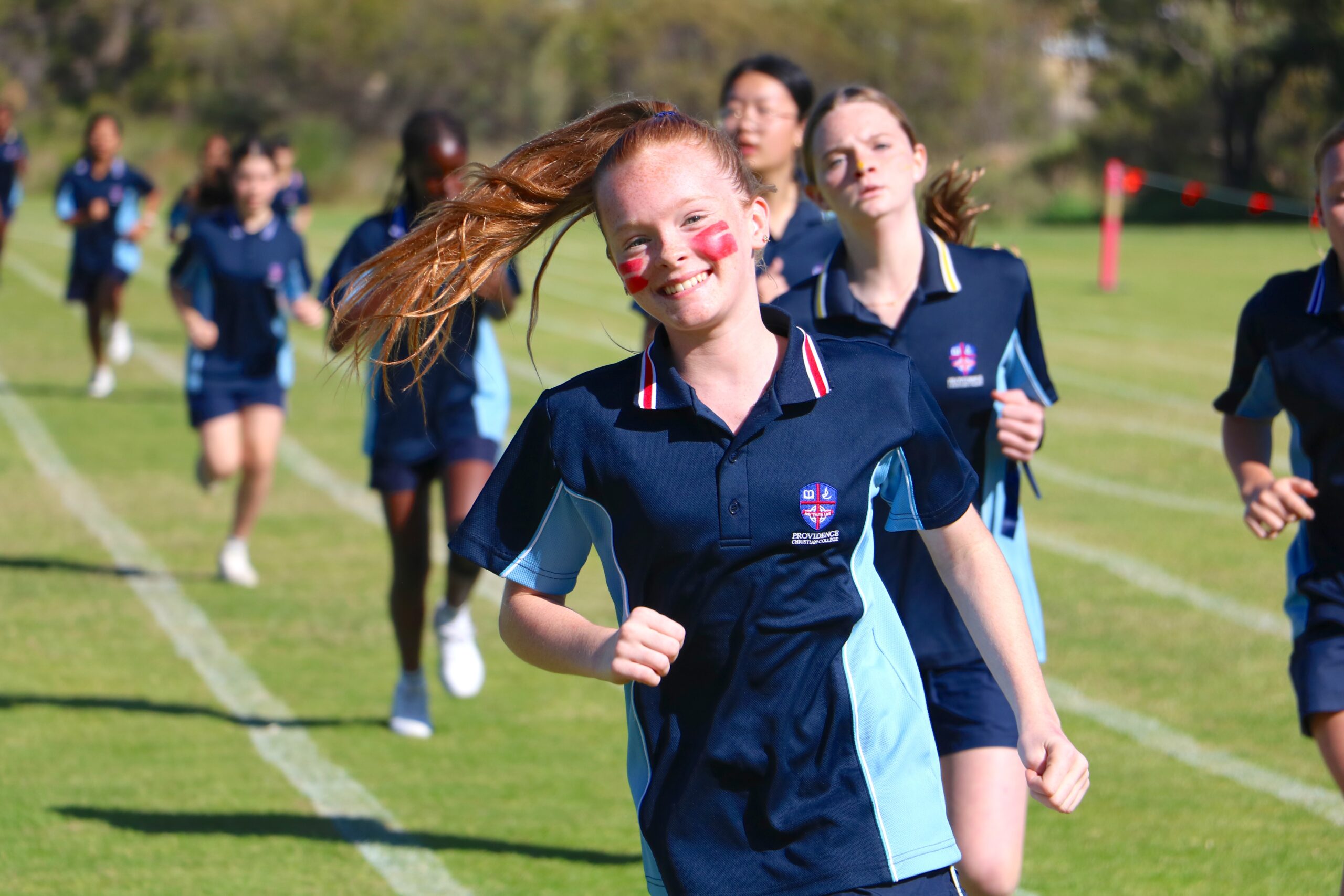
Run Club fosters a love of running and provides Year 1-6 students with an opportunity to train for athletic events.
Secondary School Opportunities
Secondary students can participate in a broad range of academic, artistic, and sporting activities, as well as our Module 0/8 Programmes before school, after school, and during lunchtime. Students also have opportunities to develop leadership skills through both formal and informal roles, including Student Council, House Captains, Prefects, and other leadership positions, enabling them to guide their peers and make a meaningful contribution to College life.
Academic Extension Programmes
Providence Innovation and Excellence (PIE)
The Providence Innovation and Excellence Programme (PIE) is an after-school (Module 8) programme that involves project-based learning activities that usually last for two terms. Only a small selection of students from Years 7 to 9 are chosen, based on their academic results in HASS, English and Digital Technology. The Cross-curricular nature of the programme spans not only these subject areas but also the 16 Sustainable Development Goals and the Design Thinking Model.
Each year there is a theme that connects all of the learning experiences in the PIE. We have explored many themes over the years, including:
- Sustainable Fashion
- The Importance of Play
- The Bike now and in 2030!
- Connection, Identity, Purpose
- Zero Poverty by 2050
- Sustainable Cities
All themes involve students researching and exploring problems, public speaking and critical and creative thinking to find solutions.
Community Sharing
The PIE competitions are project-based learning experiences that give the students the opportunity to extend themselves in a Cross-curricular approach and offer valuable experience in their development of global competencies. At the end of the programme, students have the opportunity to showcase their completed projects at the State Library of Western Australia, and in an exhibition of learning for parents and families.
Ultimately, this programme empowers students to become proactive agents of change, equipping them with the knowledge, skills, and confidence to address real-world challenges.
Ethics
The Ethics Olympiad offers schools a unique opportunity to develop critical thinking, collaboration, and communication skills. The Ethics Olympiad has a proven track record of providing teachers and students with a creative vehicle for developing skills in communication, critical thinking, and respectful discourse while dealing with important and interesting ethical issues. Over 1000 schools participate annually in the Ethics Olympiad from countries such as Australia, Canada, China, New Zealand, the UK, and the US.
At the Olympiad, we refer to students as “Eth-letes” as, like athletes, they are in training for excellence in ethical thinking. Unlike debating, students can take the position they want at an Ethics Olympiad. They work as a team along with teams from other schools to come up with the best possible answer to difficult ethical questions.
Science STEM
Year 7 – Parachutes & Forces
Year 7 students attend an after-school session (Module 8), where they compete in groups of three by designing, building and testing a parachute that prevents an egg from breaking when launched from the ground up into the air (using a water-pressure rocket).
The competition involves some inventive designs, making the event interesting and exciting. In the final heat, the most successful parachute should be able to suspend its egg in the air for the longest time.
Year 8 – Synergy Solar Car Challenge
Year 8 students compete in a five-week programme in groups of four to design, build and race a model solar car, reinforcing the concepts covered in the Physics component of the Western Australian Science syllabus. Once the solar car models have been completed, the groups compete in heats on a 20m race track. The winning group competes in the District Finals against schools from the Southern Metro Area.
Year 9 & 10 – Pop Stick Bridge or Tower
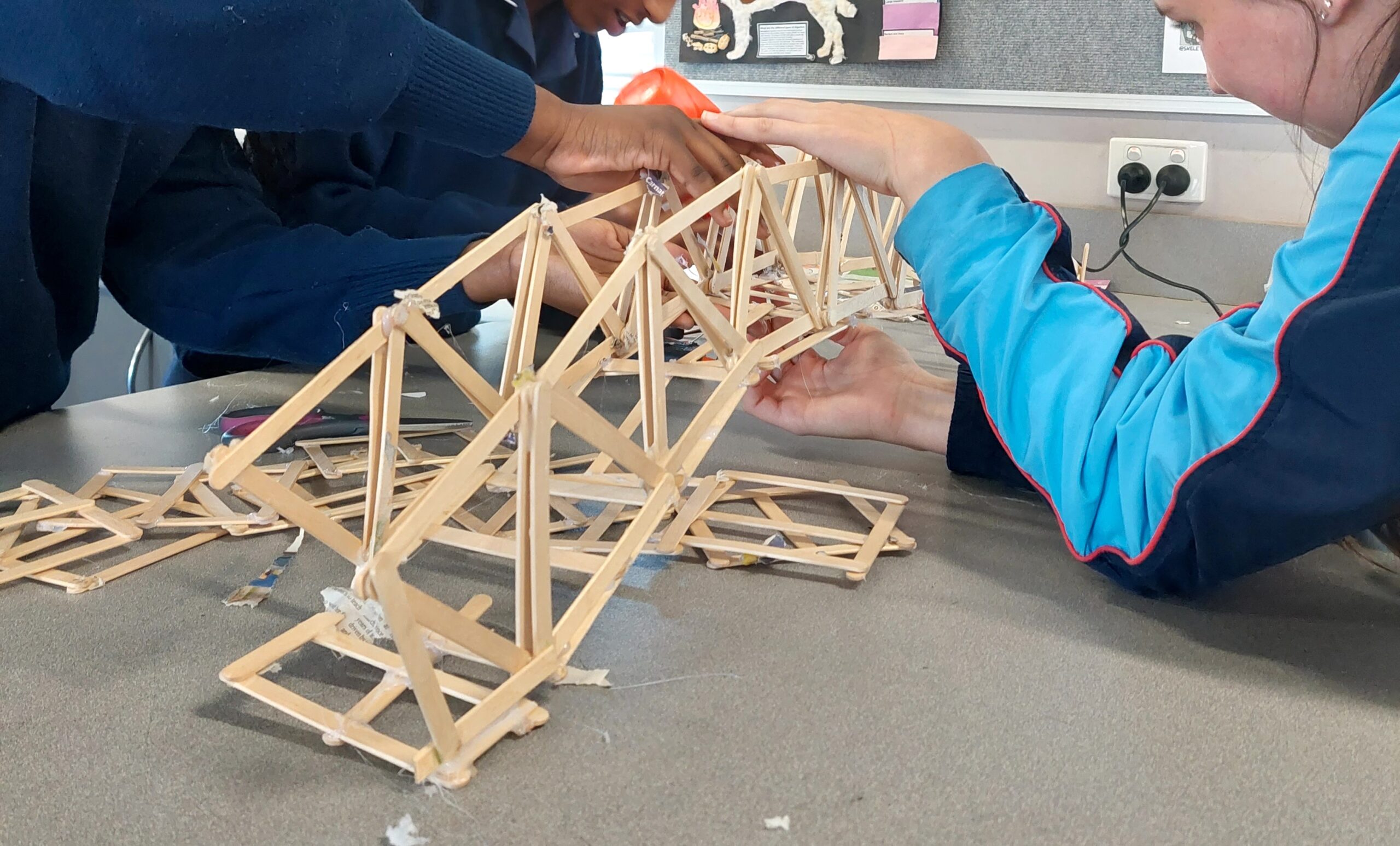
Year 9 & 10 students are organised into teams and tasked with designing and constructing a 1m pop stick bridge or tower, engineered to support a minimum of 6kg. Beyond the sheer structural challenge, the competition encourages experimentation and collaboration. The finals are held each year at the National Science Week Assembly. The winning bridge or tower is the one that holds the most weight without collapsing.
Math Olympiad
Every year, the highest-achieving Mathematics students from Years 6-9 are selected to participate in the Australasian Problem-Solving Mathematical Olympiads (APSMO).
Students attend weekly Olympiad practice sessions after school (Module 8) and compete in four Olympiad tests during Term 2 and 3. The highest achiever from each division receives a trophy, and other students achieving in the higher bands receive cloth patches or badges.
The APSMO is a not-for-profit, professional organisation established in 1987. Their aim is to:
- Promote and improve problem-solving skills in Mathematics amongst students in primary and secondary schools across Australia and New Zealand;
- Support teachers in developing their students to understand a variety of strategies to promote flexibility in their problem-solving;
- Encourage creativity and collaboration in problem-solving; and,
- Stimulate enthusiasm for and enjoyment of Mathematics.
These programmes are designed to develop a problem-solving pathway of achievement and allow students to enhance their skills and knowledge.
Module 0/8 Programmes
Sports & Physical Activities
- Providence Golf Academy
- Providence Basketball Academy
- Triathlon
- Swimming Training
- Cross Country Training
- Athletics Training
- Netball
- Soccer
- Tennis
- Dance
Creative & Performing Arts
- Media REELZ
- Creative Writing
- Art Club
- Drama Club
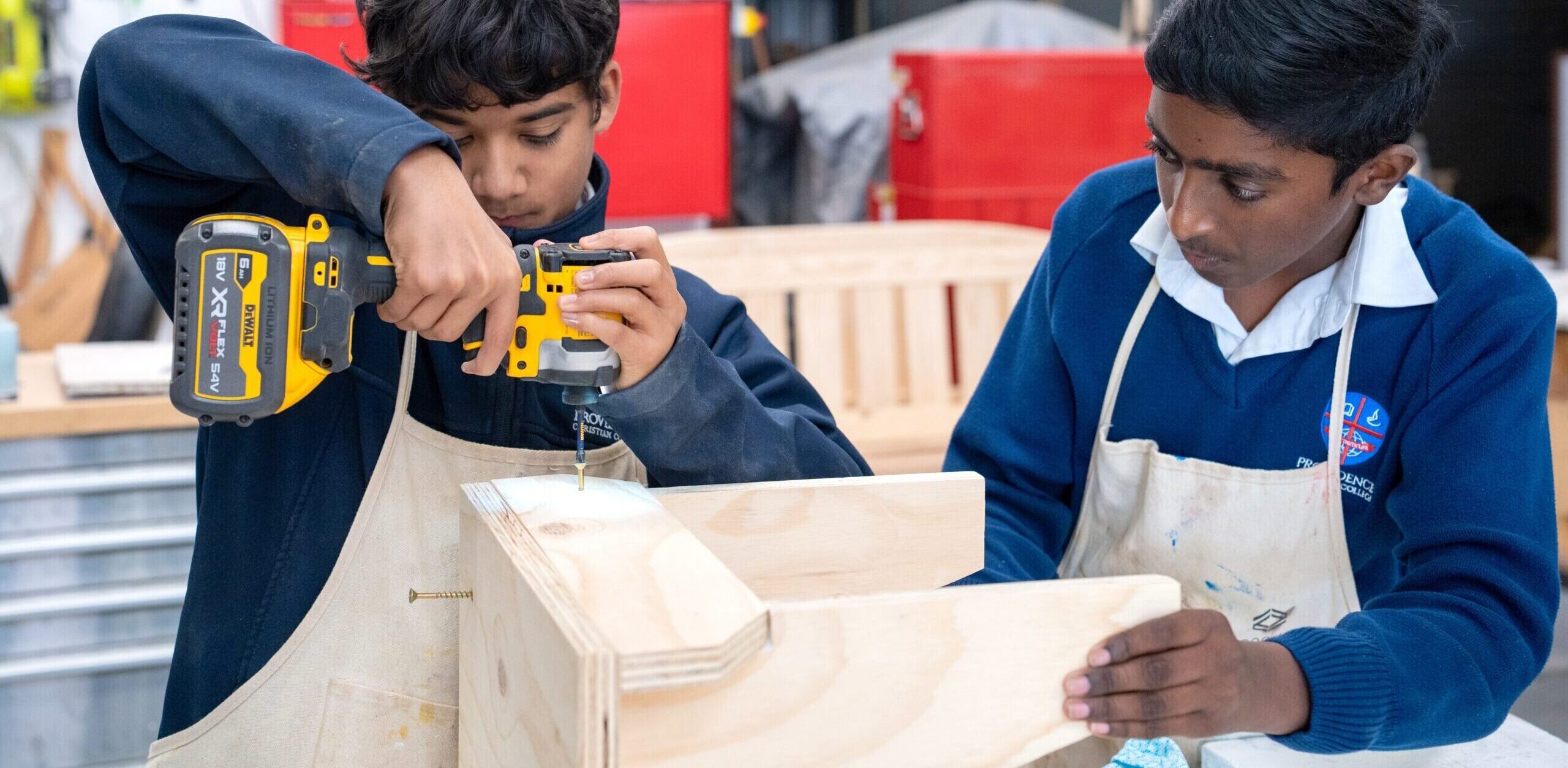
- Woodwork Club
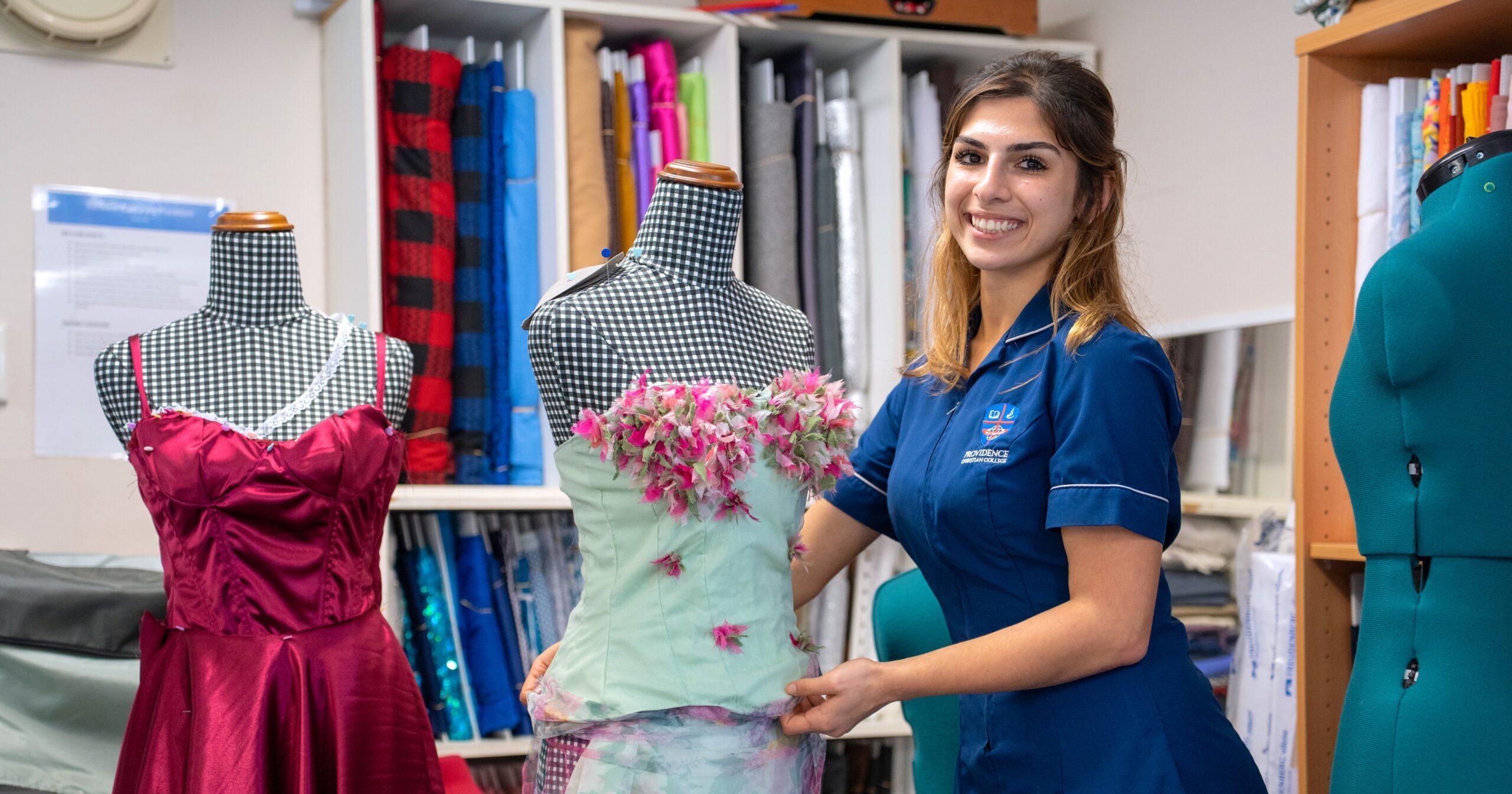
- Sewing Club
- Crochet Club
- Sound Team
- Vocal Ensemble
- Chapel Band
- Various Bands
Other Clubs & Activities
- Tutoring
- Study Café
- Sprouts Garden Club
- Board Games Club
- Coffee Club
- Chips & Chats